
Urology
Urology clinic software
In a urology clinic the complaint often wants to become a number: how many times, how much, at what hour. HekimBis gathers the voiding diary and the uroflowmetry curve on one screen, and keeps stone and uro-oncology follow-up, procedure preparation and the pathology link on the same patient card.

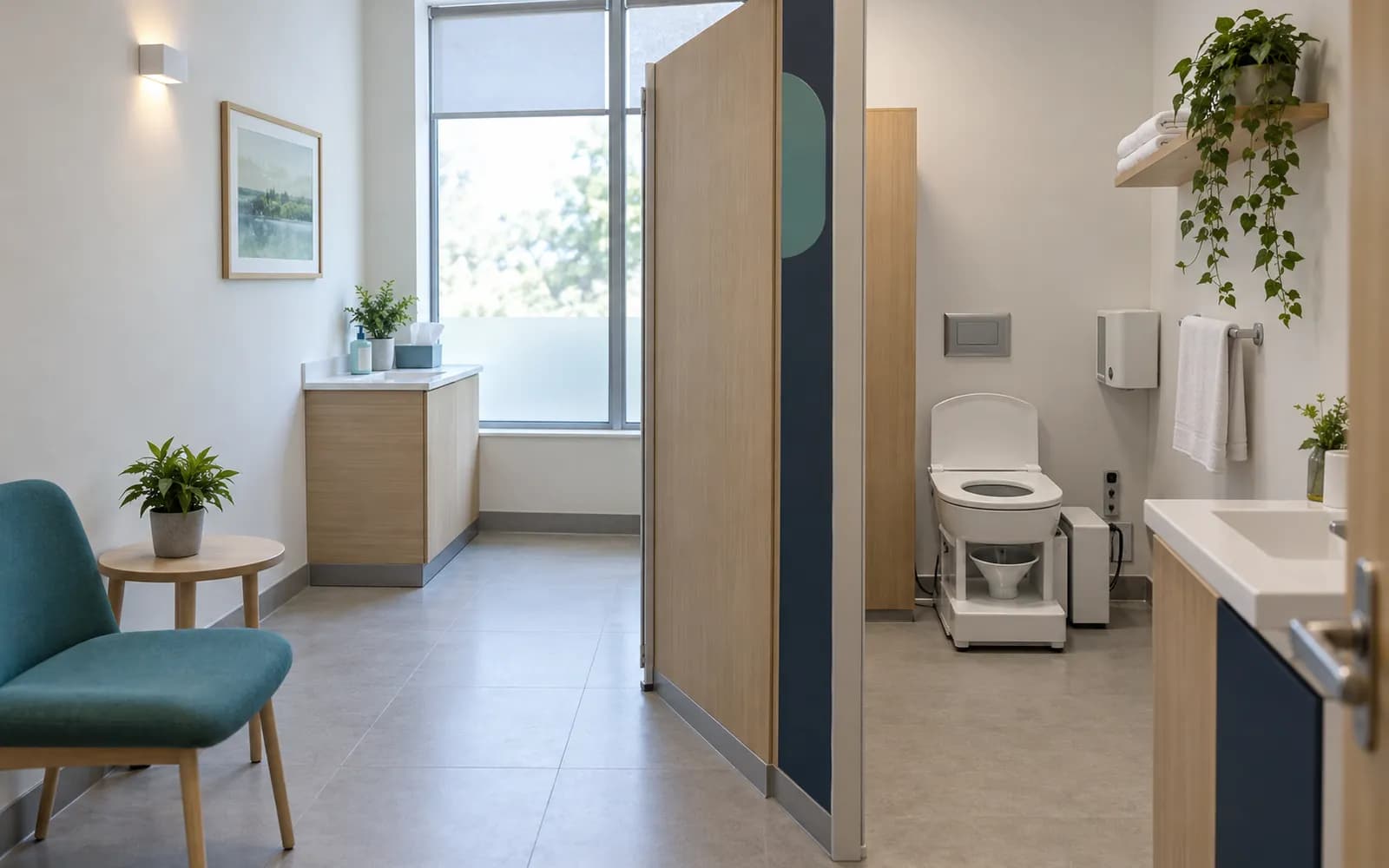
The exam sharpens once the complaint can be measured
A urology patient needs to turn their complaint into something measurable at the first exam. Diary and score forms prepare that before you see them; during the visit you read the data and interpret it together with imaging and uroflowmetry. If a procedure is needed, the plan, consent and preparation steps are produced from the same record.
When a patient who comes with nighttime urination brings a voiding diary, it is drawn by hour and volume. You open the uroflowmetry curve beside it, attach the ultrasound image and calculate the symptom score; if a procedure is needed, preparation steps are sent to the patient in the portal with your approval.
The voiding diary and the flow curve are read on the same screen
A three-day diary is shown on a 24-hour timeline: each void is a bar whose height shows volume, and night voids and fluid intake sit in a separate strip. Beside it, the uroflowmetry flow curve opens overlaid on the previous measurement; maximum flow rate and voided volume are given in a table. The symptom score accompanies it as a serial line.
- 0
- 3
- 6
- 9
- 12
- 15
- 18
- 21
Void (volume): 8Nocturnal void: 2Mean volume: 186 mL
Table view
| Day | Void (volume) | Nocturnal void | Mean volume |
|---|---|---|---|
| 1 | 8 | 2 | 186 mL |
| 2 | 8 | 2 | 186 mL |
| 3 | 7 | 2 | 193 mL |
Names, values and records on screen are examples prepared for illustration.
Three needs of a urology clinic
- Lower urinary tract symptoms
- Validated symptom scores and the voiding diary are followed as a series; the change with treatment is visible.
- Stone and uro-oncology follow-up
- Imaging, laboratory and pathology results are on the same patient card; the check interval is tied to the plan.
- Procedure plan
- Procedure-specific consent, preparation steps and the consumables record are kept; a follow-up task is created after the procedure.
From procedure preparation to follow-up
Assessment
Complaint, diary, score and exam enter the record.
Imaging and tests
Ultrasound, uroflowmetry and lab results are added.
Procedure plan and consent
The plan, procedure-specific consent and patient information are prepared.
Preparation
Preparation steps and patient instructions are given; a missing step appears as a task.
Procedure
The procedure record, consumables used and the specimen are processed.
Follow-up
A check-up, the pathology result link and the plan are written.
Device and result flow in urology
Ultrasound and uroflowmetry are the devices of the clinic; lab and pathology results meet on the same card.
- Ultrasound
- The image and measurement file enter the record.
- Uroflowmeter
- The flow curve and measured values enter the record.
- Laboratory
- Urine and blood tests appear on the patient card.
- Pathology
- The specimen and report link are connected.

Common questions about urology software
Is there a separate profile for urology?
Yes. Urology is one of the defined clinical profiles: lower urinary tract symptoms, voiding diary, stone and uro-oncology follow-up and procedure plan. It is versioned and passes two separate clinical sign-offs before release.
Is my uroflowmeter supported?
Device connections are verified per manufacturer, exact model, protocol and version, and the verified ones are listed. A report or file from a device that is not on the list can be imported with a note that it is not integrated.
Can the patient fill in the voiding diary?
The defined form in the patient portal can be used, or the team enters the diary during the visit. Content you approve is published to the patient; notifications carry no health data.
How does a pathology result attach?
A pathology order is opened for the specimen taken during the procedure; when the result arrives, the order, specimen and patient match under the same identity. A result that does not match falls to human review.
How is sensitive data protected?
Access is limited by role, branch and care relationship, a narrower rule can be defined for sensitive notes, and every access is written to the audit log. Notifications carry no type information.
How is procedure consent kept?
Disclosure, explicit consent and procedure-specific clinical consent are separate records. The consent text is versioned; a signed consent does not change later.
Which warnings appear when I prescribe?
Allergy, duplicate ingredient and interaction warnings appear as you prescribe, and the prescription draft is stored in the patient file.
Keep reading
Related pages
Features
Specialties
Software guides